
Classic Books: Discover 10 Must-Read Masterpieces!
Introduction to Classic Literature
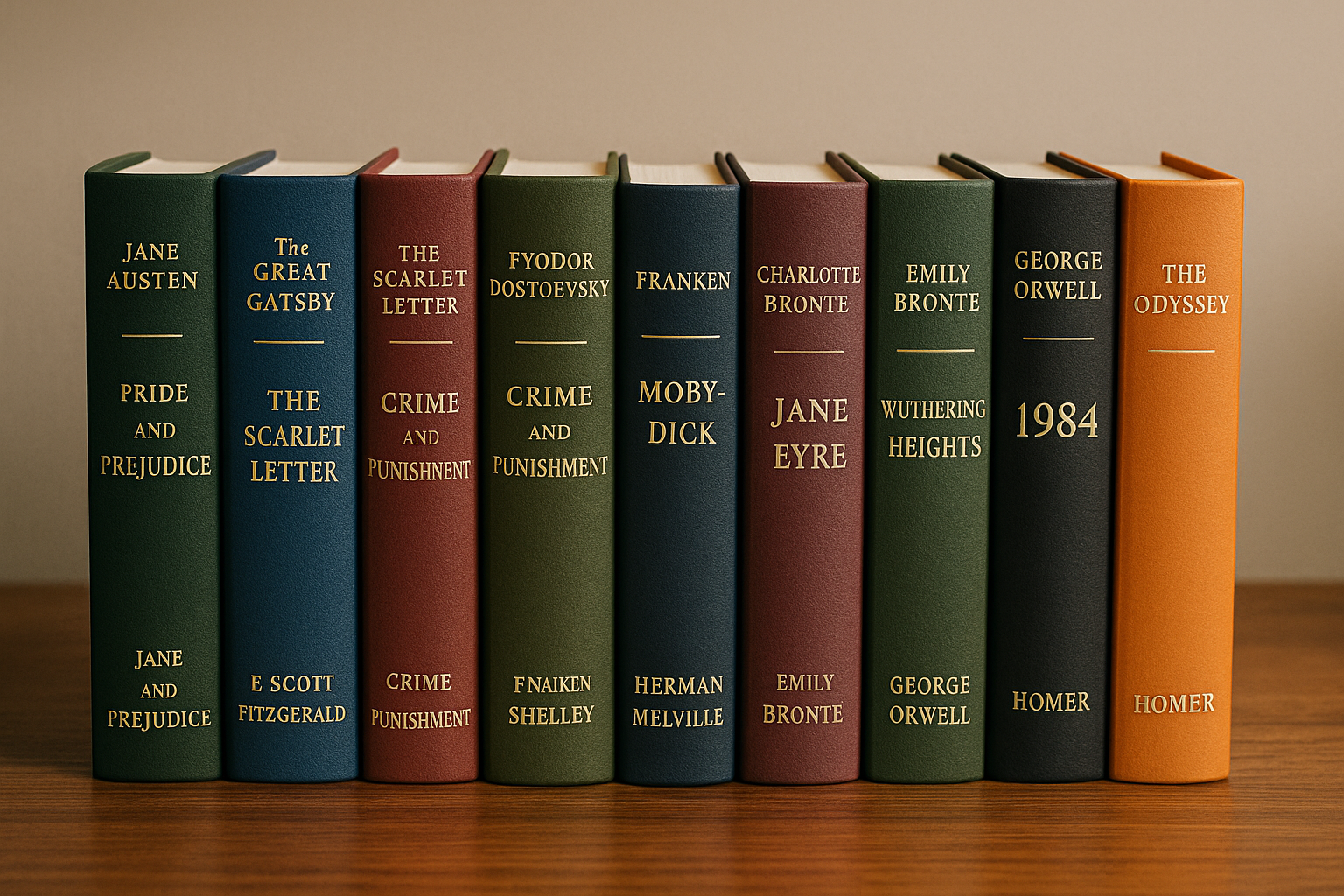
Classic books enchant, challenge, and expand our horizons. These timeless texts remain influential not only because of their narrative prowess and artistic merit but also due to their profound insight into human nature and society. Whether you’re a seasoned bibliophile or exploring the classics for the first time, discovering these gems can be a transformative experience. Delving into the landscapes painted by words and living through centuries past through the eyes of vibrant characters, you may find yourself forever changed by these pages filled with wisdom. Here, we explore ten essential masterpieces that not only enhance our understanding of the world but also entertain and inspire.
The Epic Adventures: “Moby Dick” by Herman Melville
Starting the list with a leviathan of American literature, “Moby Dick” offers an in-depth exploration of obsession and ambition through the thrilling, somber voyage of Captain Ahab. Herman Melville’s narrative battles the elements of the sea as much as it explores the complexities of human will against fate. Dive into an ocean of intricate themes and rich historical context. This classic isn’t just about a whale; it’s a profound inquiry into the soul of mankind.
Romantic Escapades: “Pride and Prejudice” by Jane Austen
Unravel the intricate social fabric of 19th century England with Jane Austen’s “Pride and Prejudice”. This novel not only exposes the limitations placed on women during the era but also delights with its wit, a spirited protagonist in Elizabeth Bennet, and a satisfying tale of love overcoming the barriers of class and initial misjudgments. Austen’s razor-sharp critique of societal norms and her insight into human behaviors make this novel a must-read.
The Power of Transformation: “The Metamorphosis” by Franz Kafka
Franz Kafka’s surreal masterpiece, “The Metamorphosis”, confronts the alienation of modern existence and a chilling, almost nightmarish scenario of transformation into something abhorrently other. Kafka weaves a disquieting story of Gregor Samsa, who awakens one morning to find himself inexplicably transformed into a giant insect. The ensuing drama with his family examines identity, human emotion, and existential despair.
A Southern Gothic Classic: “To Kill a Mockingbird” by Harper Lee
Set in the Great Depression, Harper Lee’s novel paints a comprehensive picture of racial injustice, ethical dilemmas, and the loss of innocence. “To Kill a Mockingbird” explores the moral nature of human beings, particularly focusing on the inherent goodness and ugliness within. The narrative, seasoned with warmth and humor, and told from the perspective of the young Scout Finch, serves as a profound comment on the deep-seated issues of her community.
A Chronicle of Passion and Rebellion: “Les Misérables” by Victor Hugo
In “Les Misérables”, Victor Hugo captures the spirit of revolution and the eternal fight against oppression. Tracing the lives of several characters, but most profoundly that of Jean Valjean—an ex-convict who battles his past to transform into a man of respect—this novel examines law, justice, love, and redemption. Its rich historical backdrop and layered storytelling make it an epic tale of human endurance and hope.
The Quest for Meaning: “Moby Dick” by Herman Melville
Venture once more with “Moby Dick” as it deserves a repeated mention for its deep philosophical undercurrents. Melville’s narrative questions existence, cosmic fate, and the pursuit of the truly unreachable. Navigate through the metaphor-laden waters and experience this hefty tome that combines adventure with a profound exploration of objective reality versus human ambition.
Psychological Complexity and the Grotesque: “Frankenstein” by Mary Shelley
Spawned by a night of ghost stories and a challenge to invent a tale of terror, Mary Shelley’s “Frankenstein” or “The Modern Prometheus” confronts the consequences of usurping the powers of nature. It’s a gripping narrative of a scientist who creates life and is horrified by what he has unleashed. A pioneering work of science fiction, it also delves deeply into themes of inhumanity, isolation, and remorse.
Exploring Unconscious Depths: “The Picture of Dorian Gray” by Oscar Wilde
“The Picture of Dorian Gray” declares Oscar Wilde’s belief that art exists for pleasure alone. This philosophical novel walks a dark path through the life of Dorian Gray, a man whose external appearance remains youthful and unmarked while his portrait ages and absorbs the moral decay of his hedonistic life pursuits. Wilde’s work is a sharp critique of the vanity and hypocrisy of society, etched within an eerie tale.
Rebels in a Futuristic Society: “1984” by George Orwell
As a profound political statement about tyranny and manipulation, George Orwell’s “1984” is chilling in its prescience and insightful commentary on totalitarian regimes. The oppressive atmosphere of constant surveillance, the twisting of language as a control method, and the bleak existence of its characters serve as a stark warning of the potential dark future of societal evolution.
A Tale of Epic Endurance: “The Odyssey” by Homer
Round off this journey with “The Odyssey”, an epic chronicle of struggle and perseverance. Homer’s tale follows the Greek hero Odysseus as he returns home following the Trojan War, confronting monstrous beasts and divine wrath. This cornerstone of Western literature is not only an adventure story but also a meditation on the values of cunning, loyalty, and the human spirit.
Conclusion
Inviting these classics into your life is to connect with the thoughts and feelings of people across history, discovering universal truths that surpass the boundaries of time and culture. These books invite reflection, challenge societal norms, and provide entertainment, making them true masterpieces worth your time. So, venturing through these pages, may you uncover new insights and delights in these compelling narratives.
